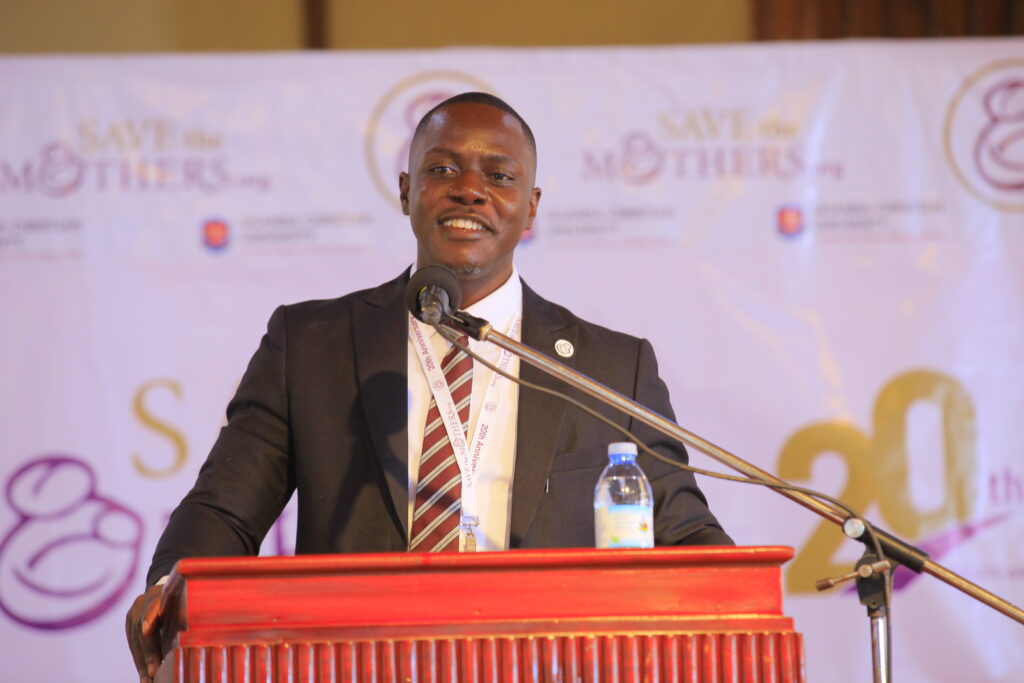
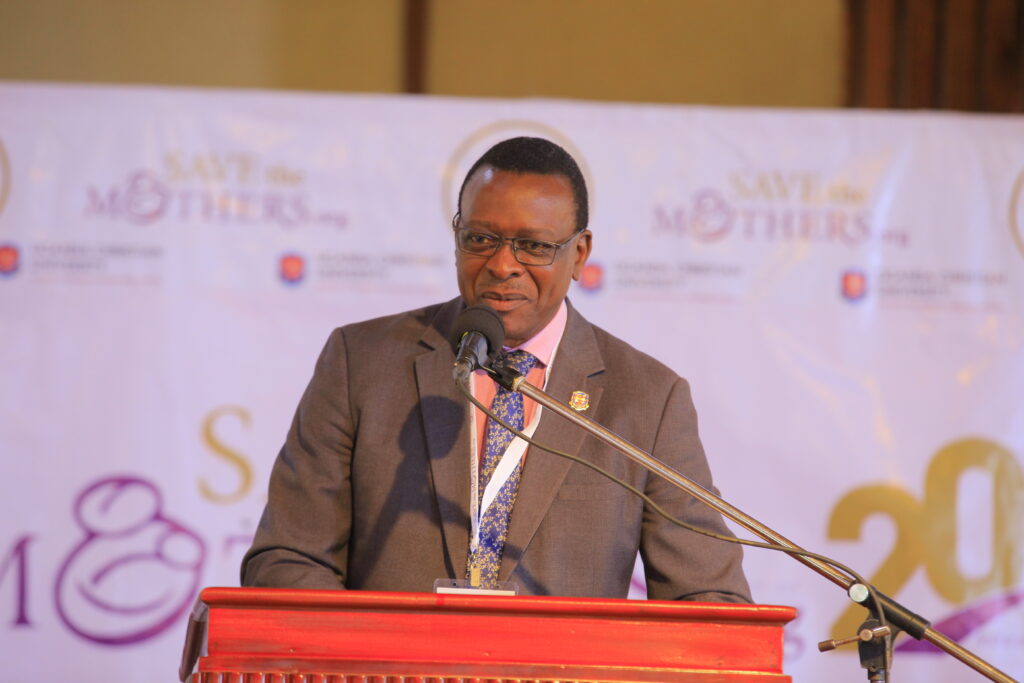
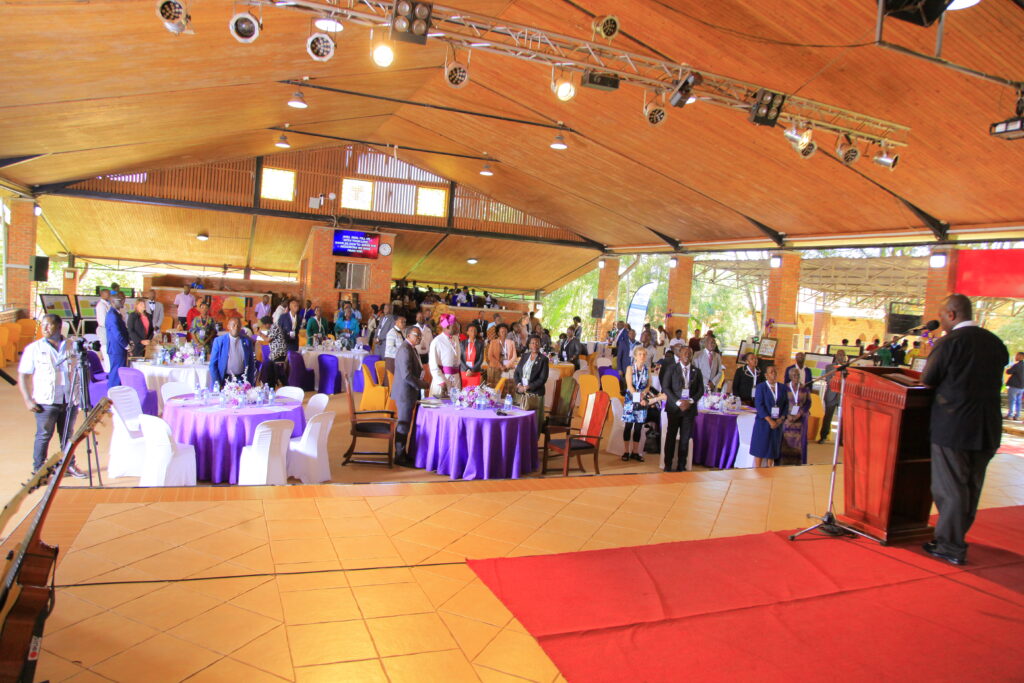
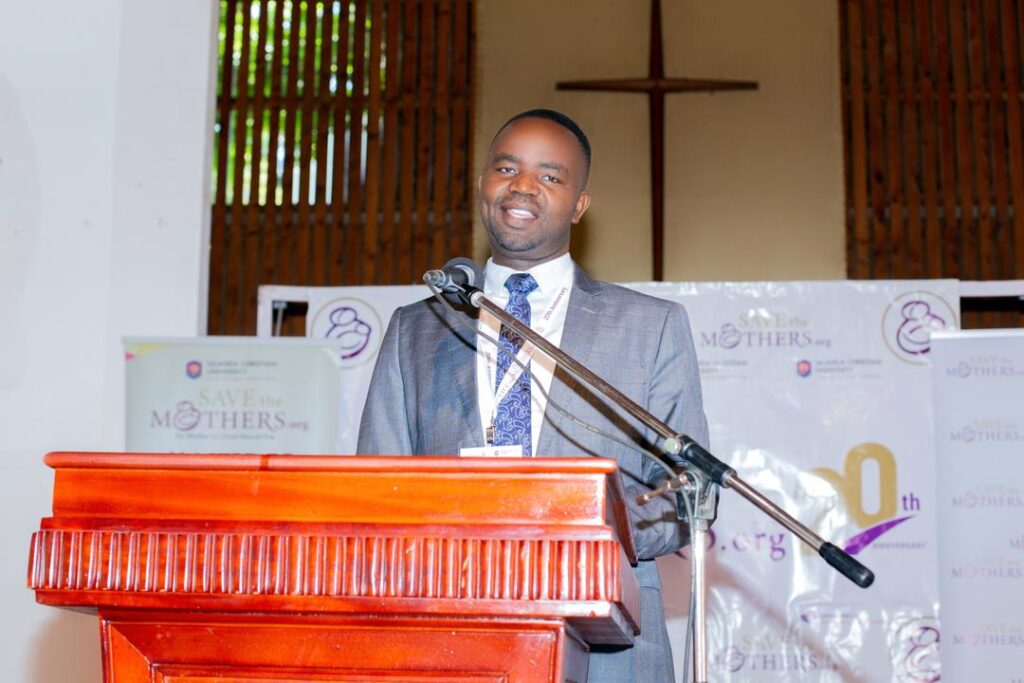
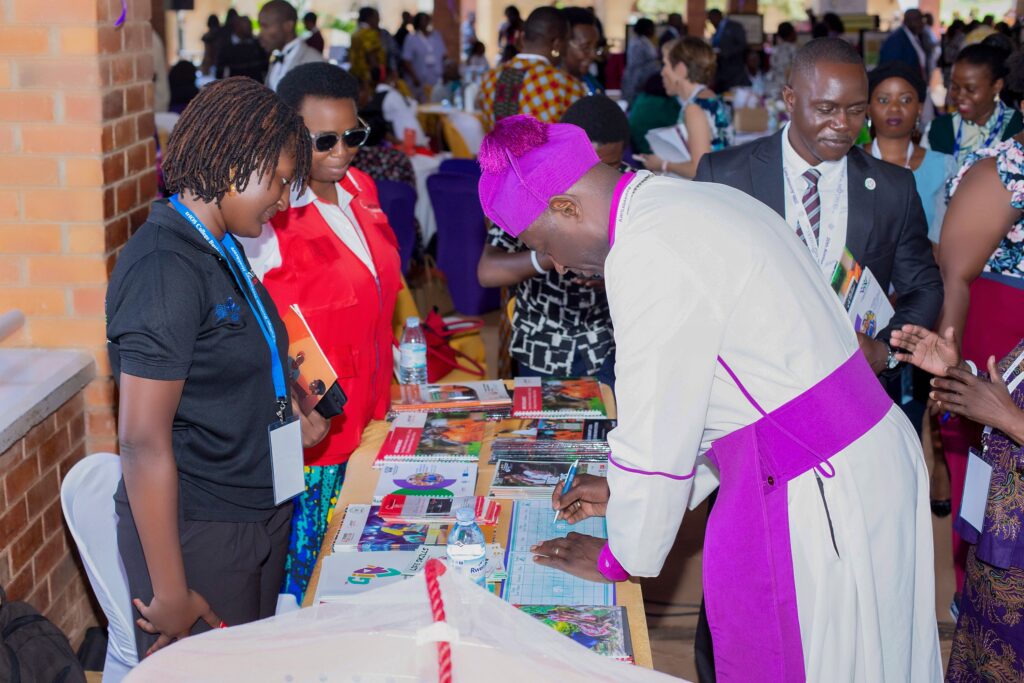
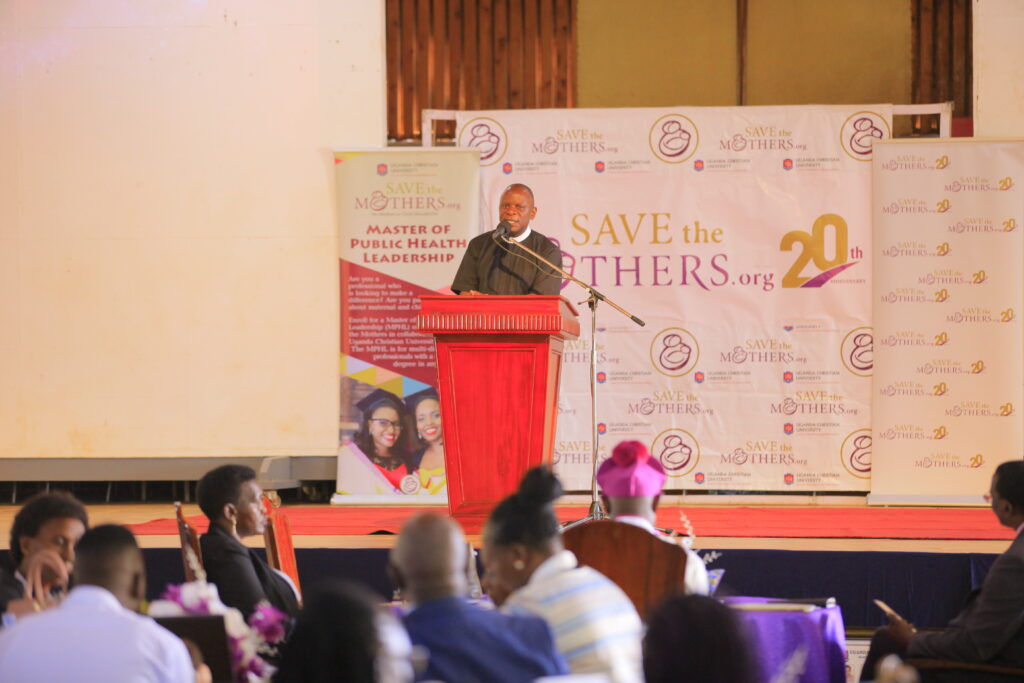
Archbishop Kaziimba then offered a poignant personal testimony: “I have been married to Margaret for 41 years, and we have five children—though one is in heaven. She lived only five minutes. So now, we have four sons. When my wife was about to deliver our first child, I was away on ministry work. She had to walk three kilometers from our home in Madudu to Kayanja, where she could get public transport to Kawolo Hospital. During that journey, she kept stopping to rest. No taxi driver wanted to take a woman in labor who would occupy too much space and delay their schedule. Eventually, she got a ride to Lugazi, but had to walk another kilometer from the main road to the hospital. By the time she arrived, the baby was too tired and did not survive. Margaret almost died too.”
He added, “That is why I am passionate about safe motherhood. I must advocate for it. When we celebrated 41 years since that day, we returned to the place where we buried our daughter—and there is still no health facility there. I am now advocating for a maternity unit to be built in that village. It will be named Margaret Kaziimba Health Centre. It is already built in faith, because I don’t yet have the money, but the plan is already made.”
“I usually don’t share this story,” he admitted, “but this is the right moment so you can understand why I care so deeply about families, children, and women. I will never forget our little girl. She would be 41 years old now. I ask for your prayers so we can raise the resources needed to build that health facility.”
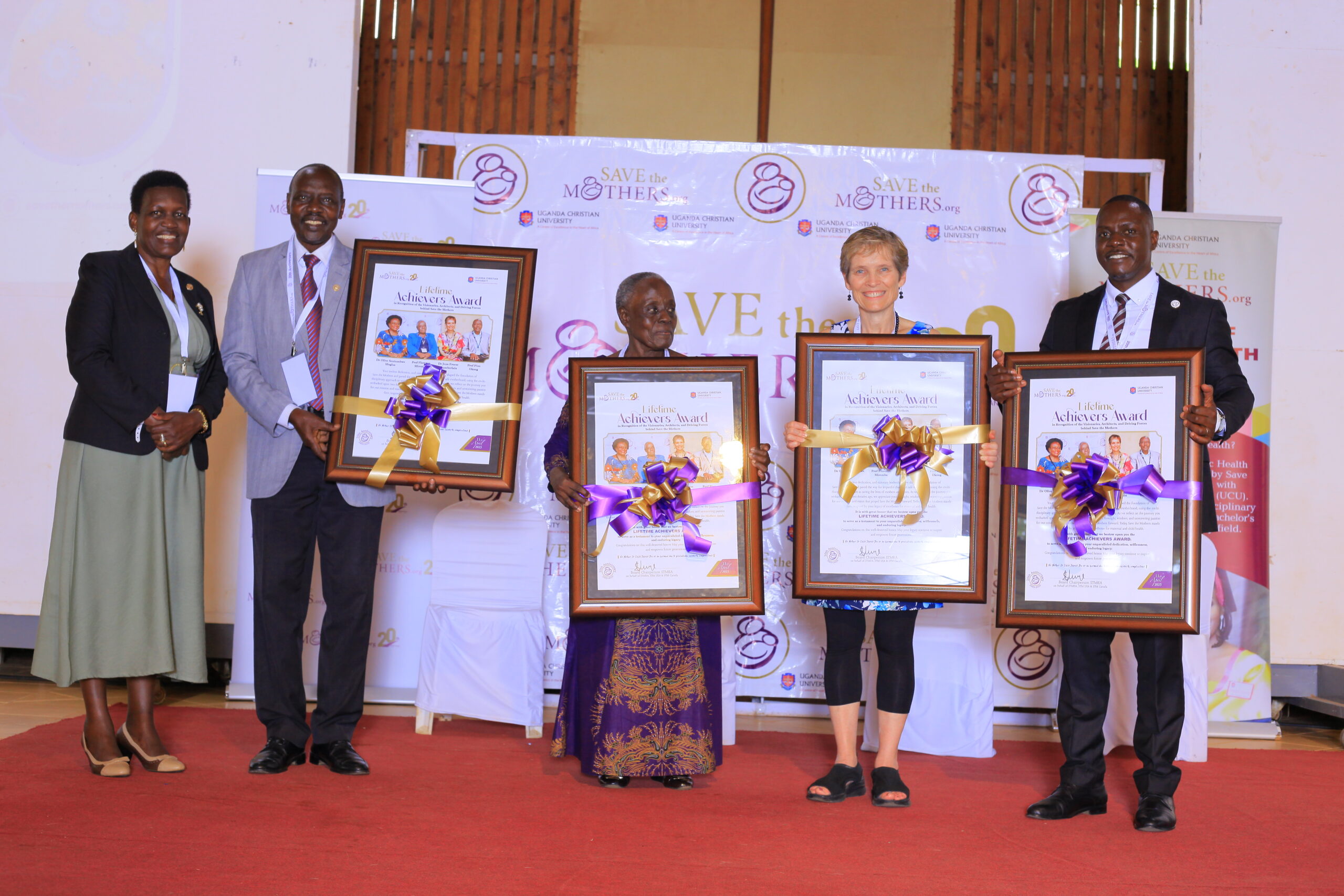
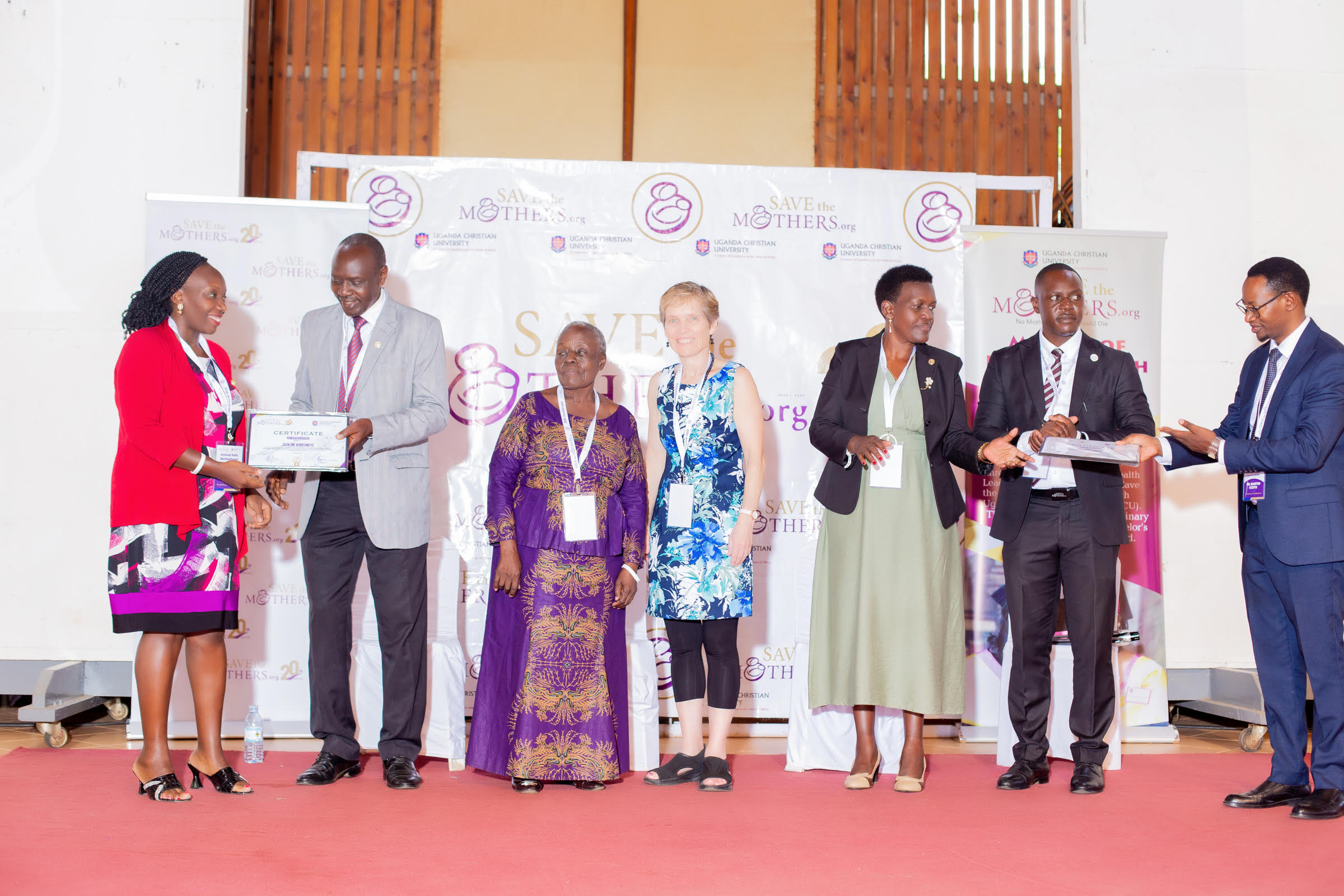
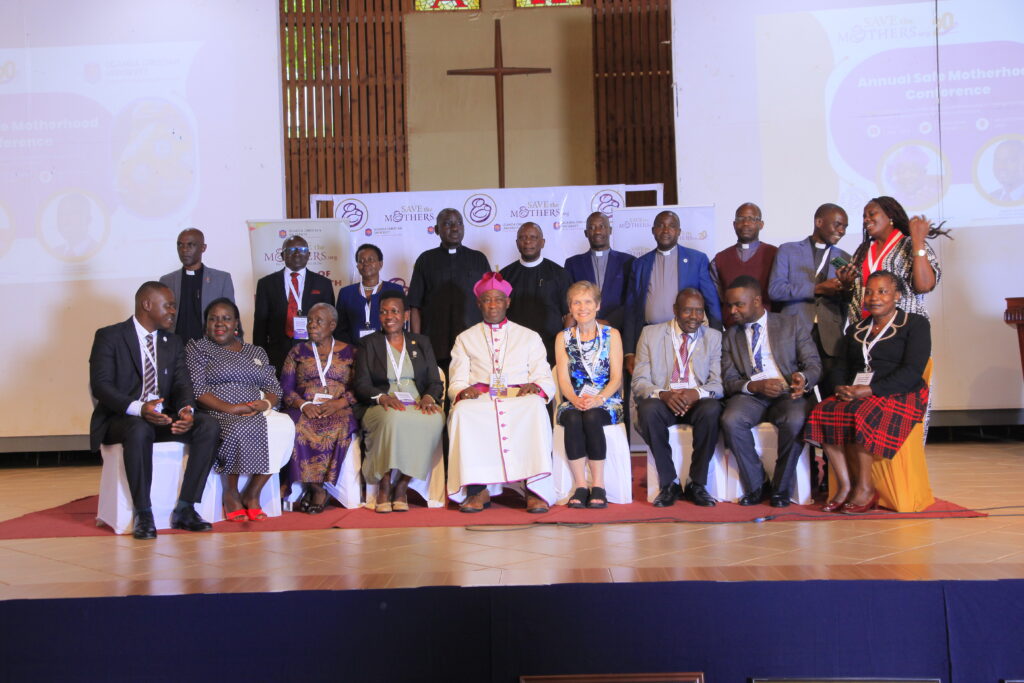
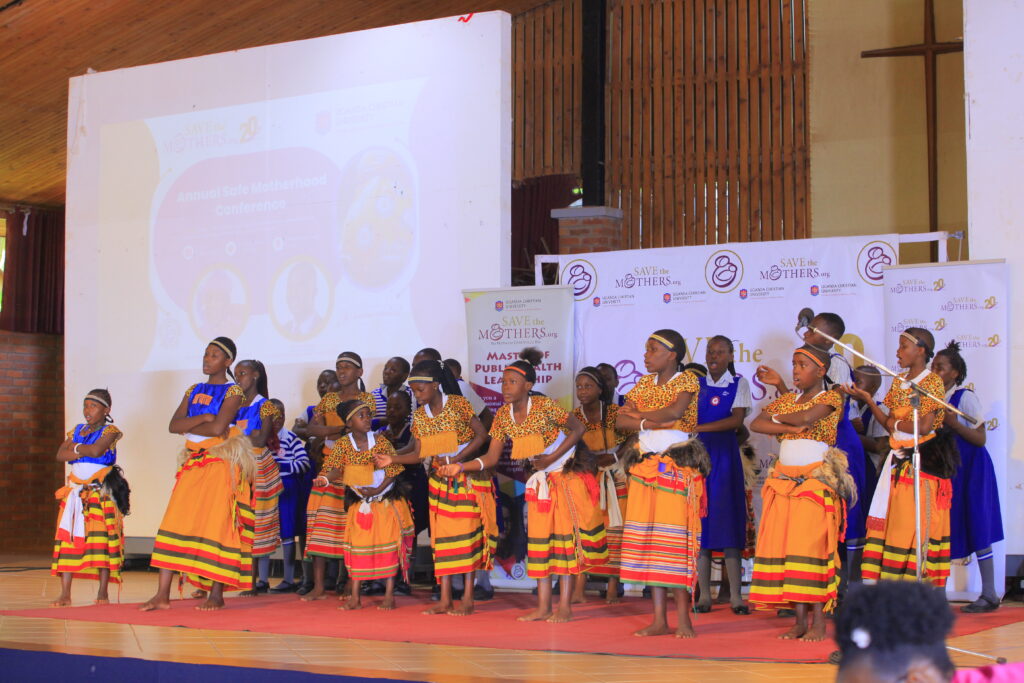
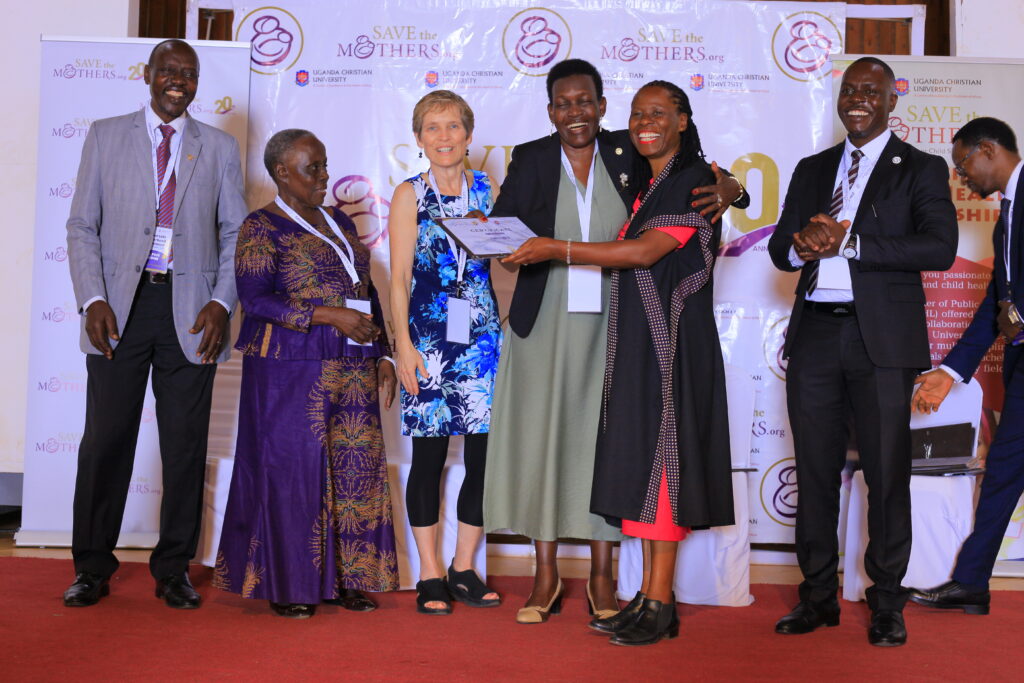
The Archbishop congratulated Save the Mothers for their unwavering commitment to ensuring no mother or child dies due to preventable pregnancy-related complications. “Thank you for 20 years of beautiful Safe Motherhood ministry,” he said. “This milestone is a testimony that when we bring together purpose, partnership, and passion—as seen in the collaboration between Save the Mothers and Uganda Christian University—we create lasting change.”
Reflecting on the conference theme, Archbishop Kaziimba emphasized that safe motherhood is not just a medical concern. “It is a social, economic, spiritual, and moral responsibility,” he stated. “Doctors alone cannot solve it. We need educators, policymakers, civil society, journalists, faith leaders, communities, boys, and girls working together.” He commended the MPHL program for training over 500 leaders from across Africa and beyond in community-centered maternal health advocacy.
He also referenced Scripture: “In John 10:10, Jesus says, ‘The thief comes only to steal and kill and destroy; I have come that they may have life and have it to the full.'” He called for this abundant life to be extended to mothers and children.
Archbishop Kaziimba highlighted the importance of involving men and boys in the advocacy work. “If we ignore the boy child, we risk perpetuating a system where girls and women suffer, governed by men who were never taught to respect or support them. Advocacy must be holistic—it should empower women and girls while mentoring boys to become responsible, compassionate, and just leaders.”
He concluded by urging all stakeholders to amplify maternal health awareness and integrate it into conversations at home, in schools, at workplaces, and in places of worship. “Investing in mothers is investing in the future of our nation,” he affirmed. Quoting Mother Teresa, he reminded the audience: “Not all of us can do great things, but we can do small things with great love.”
“Let us pray for many more years of impact—saving lives, elevating the dignity of mothers, and honoring them. May God continue to use each one of you to be a blessing to Uganda and beyond. In the name of God the Father, the Son, and the Holy Spirit.”